


Brighton Student Rental Area Guide for Tenants
Choosing where to live in Brighton is about more than finding a property within your budget. The right area can make everyday life much easier, whether you are travelling to university, commuting to work, meeting friends in the city or simply looking for somewhere that feels like home.
Brighton is a relatively compact city, but its neighbourhoods can feel very different from one another. A cheaper property may mean a longer journey, while living closer to the centre could give you shops, cafés, the seafront and Brighton Station on your doorstep. The best area will depend on your budget, household and daily routine.

Start with your routine
Before arranging viewings, think about the journeys you will make most often. Students may prioritise the University of Brighton, University of Sussex, Lewes Road or easy access to the city centre, while professionals may be more concerned with Brighton Station, commuting times, parking or being close to the seafront.
It is also worth considering how you will get home after a late shift, evening out or long day at university. A few extra minutes on a map can make a surprising difference when you repeat the journey every day.
For groups, agreeing your priorities early is particularly important. Decide how many bedrooms you need, your maximum budget and which areas you would realistically consider. Being slightly flexible can open up more suitable properties, particularly when larger houses are in high demand.
Lewes Road
Lewes Road is one of Brighton’s best-known student areas and is a popular choice for groups looking for convenient access to university campuses and the city. With regular buses, supermarkets, takeaways and everyday shops nearby, it offers a practical location without necessarily having the cost of living directly in the centre.
There is a mixture of shared houses, flats and maisonettes, although properties directly on the main road can be busier and noisier than those on surrounding streets. When viewing, consider the position of the bedrooms, storage, communal space and the actual walk to the bus stop.

Having your information ready can also make the application process much easier when you find the right property.
Coombe Road
Coombe Road is another established student area, offering a more residential setting while remaining within convenient reach of Lewes Road, the universities and the city.
Traditional shared houses are common, making the area particularly relevant to larger groups. When viewing, look beyond the number of bedrooms and consider whether the kitchen, bathrooms and communal areas are practical for everyone living there.
It is also important to understand the total cost of renting, including how bills will be handled.

Elm Grove and Hanover
Elm Grove and Hanover are popular with students and professional renters who want to stay close to central Brighton while enjoying the character of a residential neighbourhood. The area has period properties, cafés, pubs and easy access towards Lewes Road and the city centre.
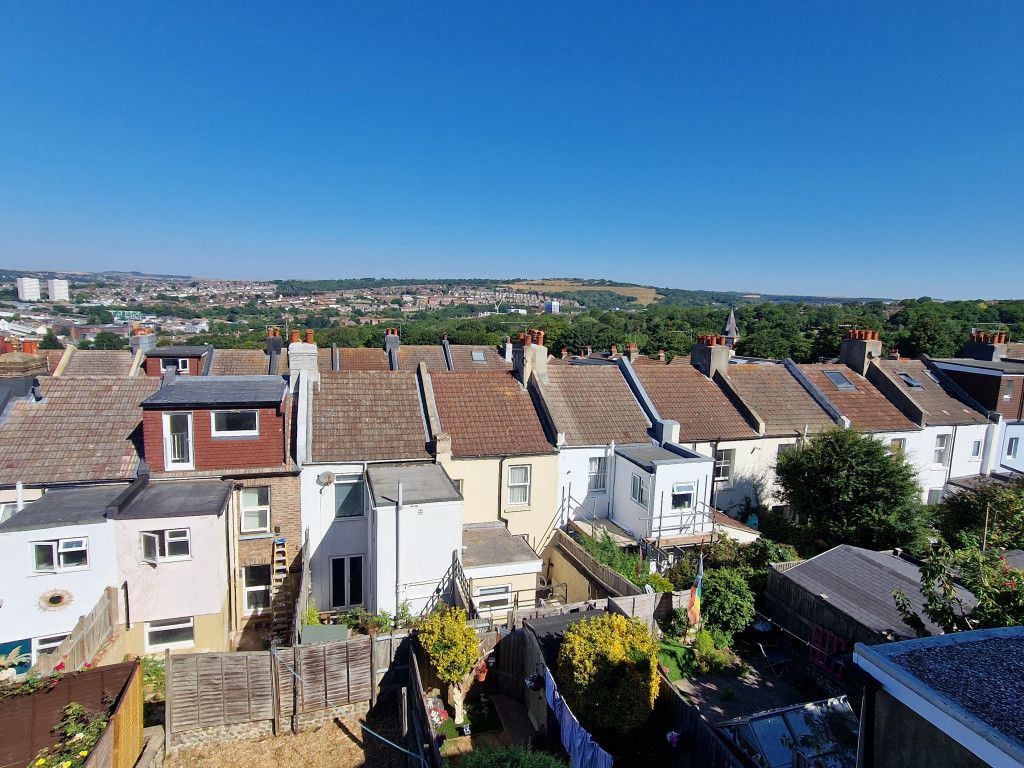
The main consideration is the hill. It may be perfectly manageable for some people, but it is worth thinking about the walk home after a long day or with heavy shopping. Parking can also be limited.
For groups looking for a shared house with central Brighton within walking distance, however, the location can be a very attractive compromise.
Hollingdean, Moulsecoomb and Bevendean
For renters looking for more space or better value, Hollingdean, Moulsecoomb and Bevendean are worth considering.
These areas offer a more residential feel and can provide larger houses than some of the more central locations. They can work particularly well for student groups who are happy to travel a little further in return for extra bedrooms, gardens or larger communal spaces.

The trade-off is transport. Before choosing a property, check the journey you will actually make to university, work and the city centre, including how you would travel home in the evening.
Moulsecoomb can be particularly useful for students needing access towards university campuses, while Bevendean may appeal to groups prioritising space and value. Hollingdean can suit renters who want a quieter home base without moving too far from Brighton’s main areas.
Brighton City Centre and North Laine
For professionals, couples and renters who prioritise convenience, Brighton city centre and North Laine offer plenty within walking distance. Shops, restaurants, cafés, entertainment, the seafront and Brighton Station are all close by.
The compromise is often space, price and noise. Central flats can be smaller and may have limited outdoor space, while properties near busy streets or nightlife can be noisier.
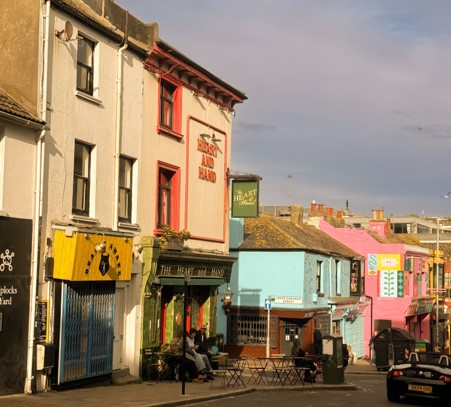
When viewing, consider the exact location of the property rather than simply the postcode.
Kemptown
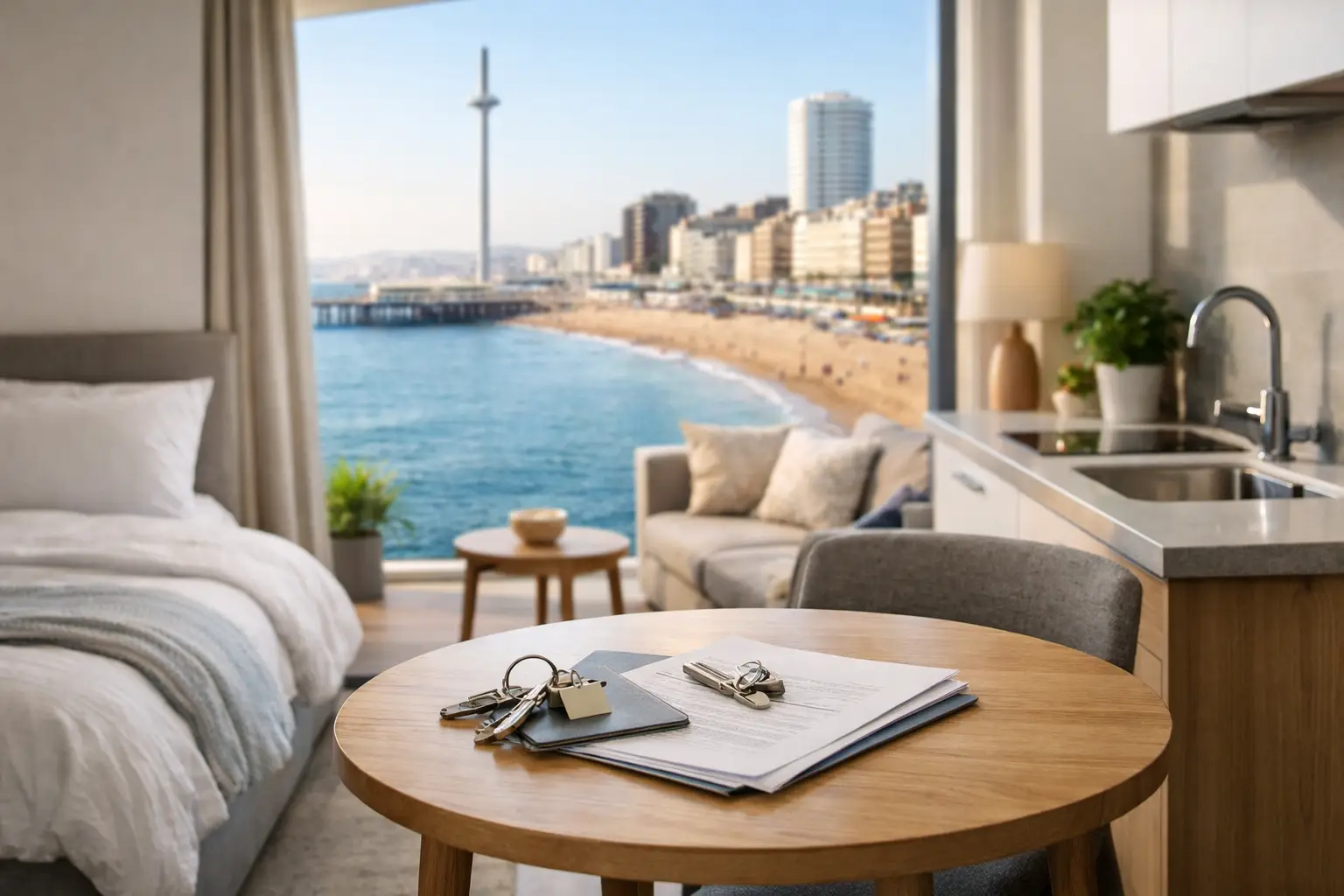
Kemptown offers a distinctive Brighton atmosphere, with its seafront setting, independent businesses and period architecture. It attracts a mixture of professionals, couples and other renters who value being close to the sea and city centre, as well as medical students who appreciate being near the hospital and having convenient transport links to the universities.
The housing stock ranges from studios and smaller flats to larger period properties. As with any older building, it is worth looking carefully at heating, storage, windows and general condition rather than choosing based on appearance alone.
Seven Dials, Hove and Woodingdean
Seven Dials can be a good middle ground for renters who want a neighbourhood feel while remaining close to Brighton Station and the city centre. It offers a mixture of flats and larger homes and is popular with professionals and couples.
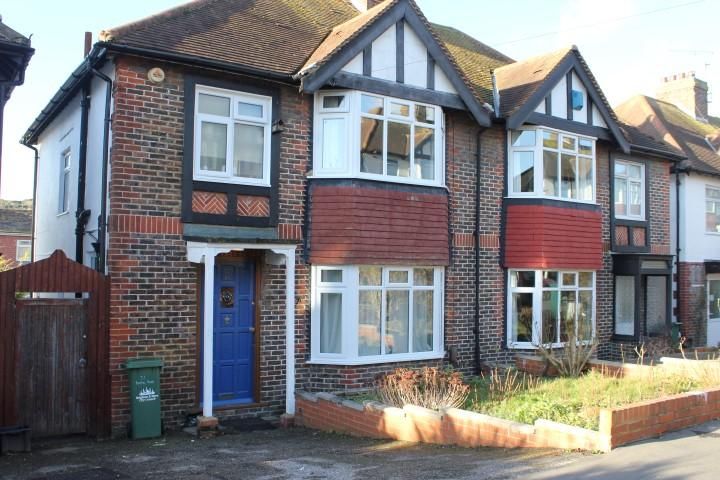
Hove provides a calmer alternative to central Brighton, with wider streets, a strong residential feel and easy access to the seafront.
Woodingdean is more suburban and can be attractive to households looking for additional space, gardens or parking.
Each areas cover a wide geographic area, so always check the actual journey to work, university or the station before making a decision.
Finding the right Brighton home
A property viewing is about more than deciding whether you like the house. Think about the journey, the surrounding streets and how the property will work on an ordinary weekday.
For groups, make sure everyone understands the rent, bills, tenancy arrangements and application requirements before committing. Each tenant should also provide the necessary information and documentation. Checking affordability before applying is also helpful, and our rental affordability calculator can help you understand what you may be able to rent.
When you already know how many people are moving in, you can also search available homes by number of bedrooms with SJ Property Services.
Ultimately, there is no single best place to live in Brighton. The best neighbourhood is the one that makes your everyday life easier: a home you can afford, a journey you can live with and an area that suits the way you actually spend your time.