


Can You Keep a Pet in a Rented Home?
A pet can make a rented house feel much more like home. The short answer to whether you can have one: since 1 May 2026, tenants in England have the right to ask, and landlords can’t unreasonably say no.
You still need written permission before the pet moves in. Here’s how it works and how to give your request the best chance.
Your right to ask
Once you’re a tenant, you can ask in writing to keep a pet. This applies even if your tenancy agreement has a no-pets clause.
- The landlord has 28 days to reply.
- If they ask for more information, they have 7 days from receiving it, or until the end of the original 28 days, whichever is later.
- If they refuse, they must explain why in writing.
- Once a pet is approved, the permission can’t be withdrawn. You’ll need to ask again for any additional pet.
Don’t take silence as a yes, and don’t rely on a chat at a viewing. Get the answer in writing and keep it with your tenancy documents. A previous tenant’s pet doesn’t give you permission either.
When a landlord can say no
A landlord can’t refuse just because they don’t like pets, or because they’re worried about damage in general. They can refuse for a genuine reason, for example:
For example, there are no vaccination records or there are signs of fleas.
- The lease forbids it. Many Brighton flats are in converted houses or blocks where the head lease or freeholder bans pets. In that case, the landlord has no choice.
- The home isn’t suitable. An example is a large, energetic dog in a small flat with no outside space.
- Other people in the house. A housemate may have a severe allergy.
- Welfare or hygiene concerns. For example, there are no vaccination records or there are signs of fleas.
- A real risk of nuisance, backed by evidence.
The more detail you give, the easier it is for the landlord to say yes.

How to ask
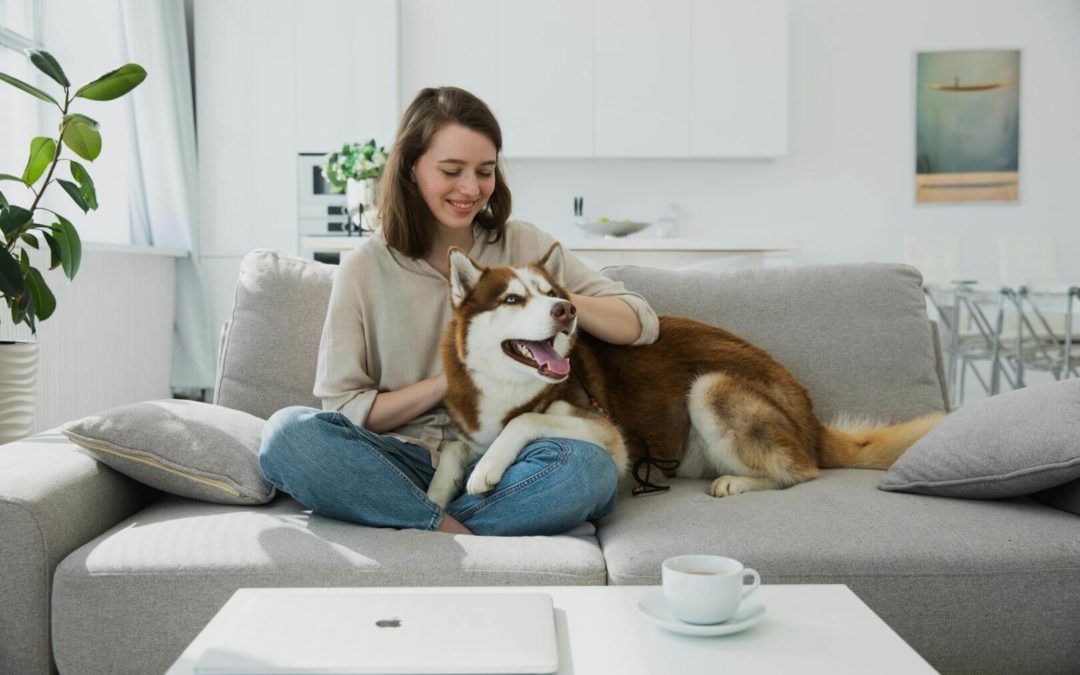
If you already have a pet, mention it when you first enquire about a property. Before you sign, it’s up to the landlord whether to agree. Being upfront saves everyone time.
A short pet profile is far more persuasive than “Can I have a dog?” Include:
- species, breed, age and size
- whether it’s vaccinated, neutered, microchipped and house-trained
- how long it will be left alone
- any training or previous rental history (a reference from a past landlord helps)
- how you’ll manage cleaning, waste, noise and any garden
Sharing a house? Talk to your housemates first. You’re jointly responsible for the property, so a pet affects everyone. We’ll expect the request to have the agreement of all the tenants.
Deposits and costs
You can’t be charged extra for having a pet. That means no separate pet deposit, no pet rent and no pet fee. Your normal tenancy deposit stays capped at five weeks’ rent.
If your pet causes damage beyond fair wear and tear, the cost can still come out of your deposit at the end of the tenancy. To protect yourself:
- check the inventory carefully when you move in, and take dated photos of carpets, doors, skirting boards and the garden
- report any existing damage straight away
- tell us early if your pet damages something, so it can be put right before check-out
- leave the property as clean as it was at the start
Living with a pet
Once your pet is approved, keep things easy for your housemates, your neighbours and the landlord. Deal with fleas quickly, clear up waste, and don’t let barking become a habit. Sound travels through shared walls and hallways in older Brighton houses.
If you have a garden, keep on top of digging and worn patches. Don’t fix runs, cat flaps or anything else to walls or fences without asking first.